Family Privacy and Guest Flow in Riyadh Villa Interior Design Briefs
A Riyadh villa brief is not ready when finishes are chosen. It is ready when it explains who can move through each door without exposing family life.
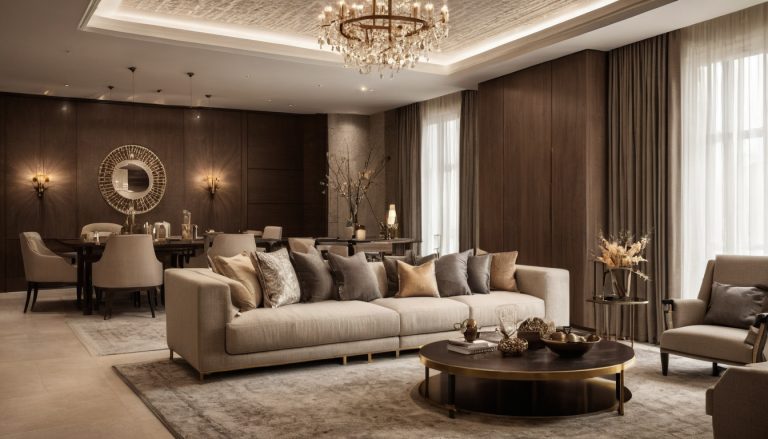
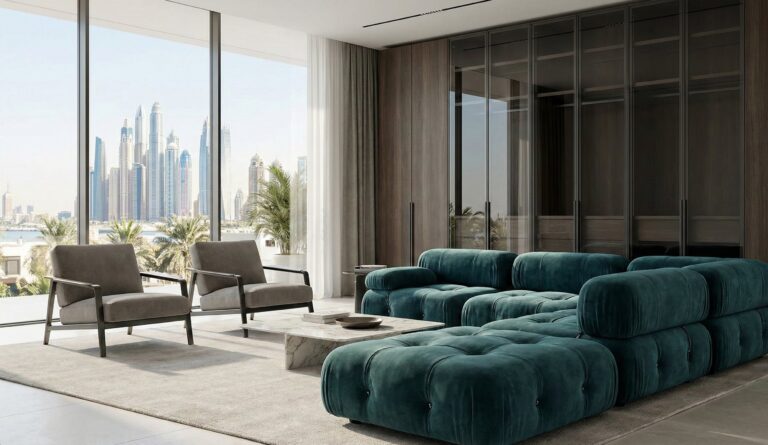
Family Privacy and Guest Flow in Riyadh Villa Interior Design Briefs shown with floor, wall, and fixture relationships visible.
A Riyadh villa privacy brief should start with zones, not finishes
For a Riyadh villa, the interior design brief should define public, semi-public, family, service, and private zones before marble, wall panels, fabrics, furniture, or lighting. This gives riyadh interior design drawings a privacy logic before style decisions begin.
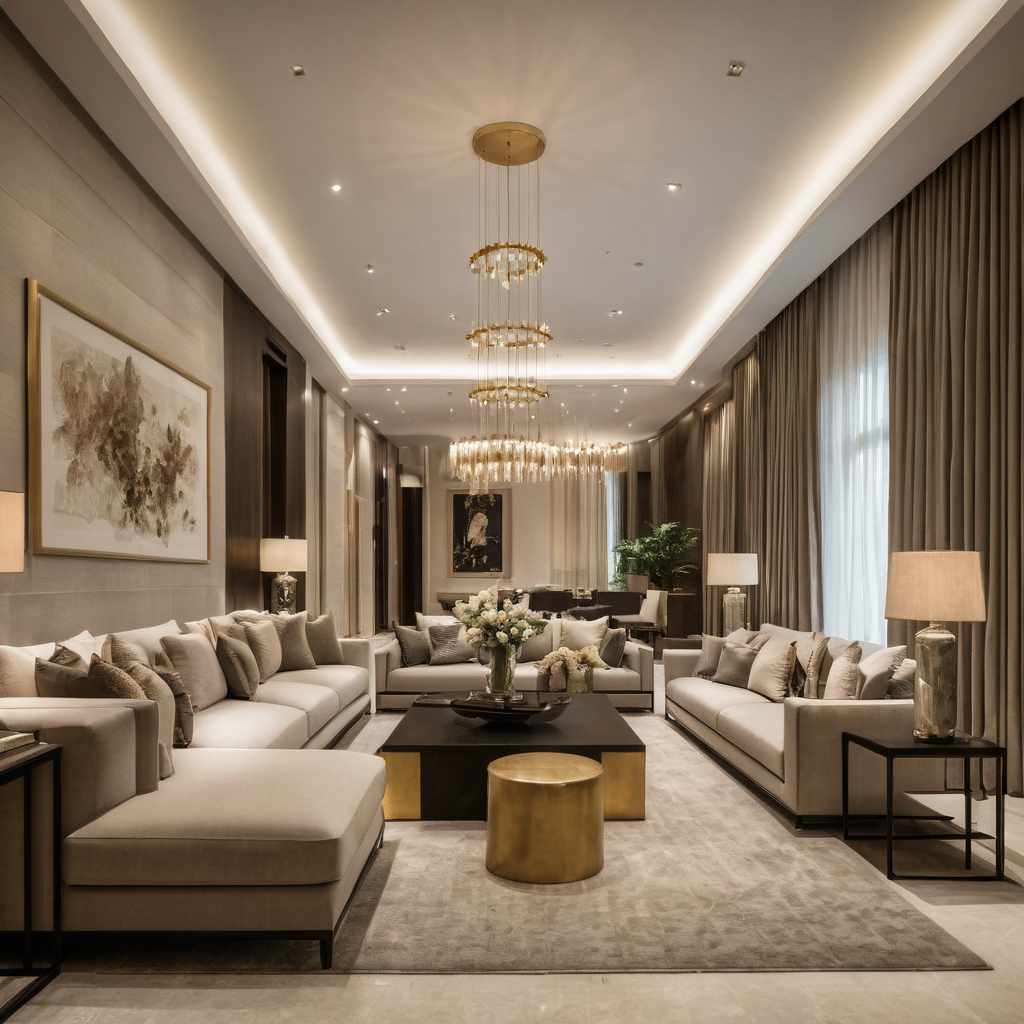
A Riyadh villa privacy brief should start with zones, not finishes shown with finish, fixture, and clearance relationships visible.
The owner should state who may enter each area, who should not be visible there, and which routes must stay separate during daily life, formal hosting, deliveries, and maintenance.
What client profile information does a Riyadh interior design brief need?
The client profile should give planning facts without unnecessary family exposure: parents, children and age groups, grandparents, live-in staff, driver arrangements, frequent guests, prayer routines, school times, family dining habits, and majlis use.
- Guest privacy: state which family members need privacy from male guests, female guests, staff, delivery drivers, and maintenance workers.
- Majlis function: record guest frequency, coffee service, washroom needs, guest dining use, and outdoor arrival requirements.
- Material and air quality: the U.S. Environmental Protection Agency states that concentrations of many volatile organic compounds can be 2 to 5 times higher indoors than outdoors, so ventilation, material choice, and fit-out sequencing belong in the brief.
Which villa zones should be labelled public, semi-public, family, service, and private?
Public zones usually include the male majlis, guest powder room, entry vestibule, and guest dining. Semi-public zones may include a women’s salon, formal dining, or shared stair hall. Family zones include daily living, family dining, pantry, children’s play area, and terrace. Service zones include the service kitchen, laundry, storage, staff room, driver room, and utility access. Private zones include bedrooms, dressing rooms, family bathrooms, and upper-floor lounges.
- Dining rooms, powder rooms, stair halls, lifts, and family lounges need written access rules.
- ISO 19650-1:2018 concerns information management for buildings and building information modelling. A private villa may not need formal ISO compliance, but the same discipline helps record decisions.
- Save contemporary interior design ideas for after zones, privacy rules, and circulation priorities are approved.
How should male guests, female guests, and family members move through a Riyadh villa?
Guest flow should work as separate, respectful routes. The brief must state who enters, where guests wait, which washrooms they use, how dining is served, and where movement must not expose family living areas.
| Route | Best use | Privacy risk to solve |
|---|---|---|
| Male guest entry | Direct access to men’s majlis, guest washroom, and guest dining | Views into family lounge, stairs, bedroom corridor, or kitchen |
| Family entry | Daily access from parking to family living and private stairs | Family crossing formal guest zones |
| Female guest or family reception route | Women’s sitting area or semi-private lounge | Awkward mixing at the main lobby or dining threshold |
| Service entry | Staff, deliveries, driver access, storage, and back-of-house movement | Food service crossing majlis seating or guest arrival |
Should the Riyadh villa brief require separate guest and family entrances?
Separate entrances help when the villa hosts formal male guests often, has enough plot width, or needs staff movement during gatherings. A smaller house can still protect privacy with a screened lobby, offset doors, a side family door from parking, or controlled sightlines.
How should the majlis connect to dining, washrooms, and outdoor arrival?
The majlis should sit close to outdoor arrival, guest washroom, handwash area, and guest dining, without forcing guests through family circulation. UNESCO describes the majlis as a cultural and social space for receiving guests, discussion, socializing, entertaining, and oral heritage, so hospitality should be planned as a primary function.
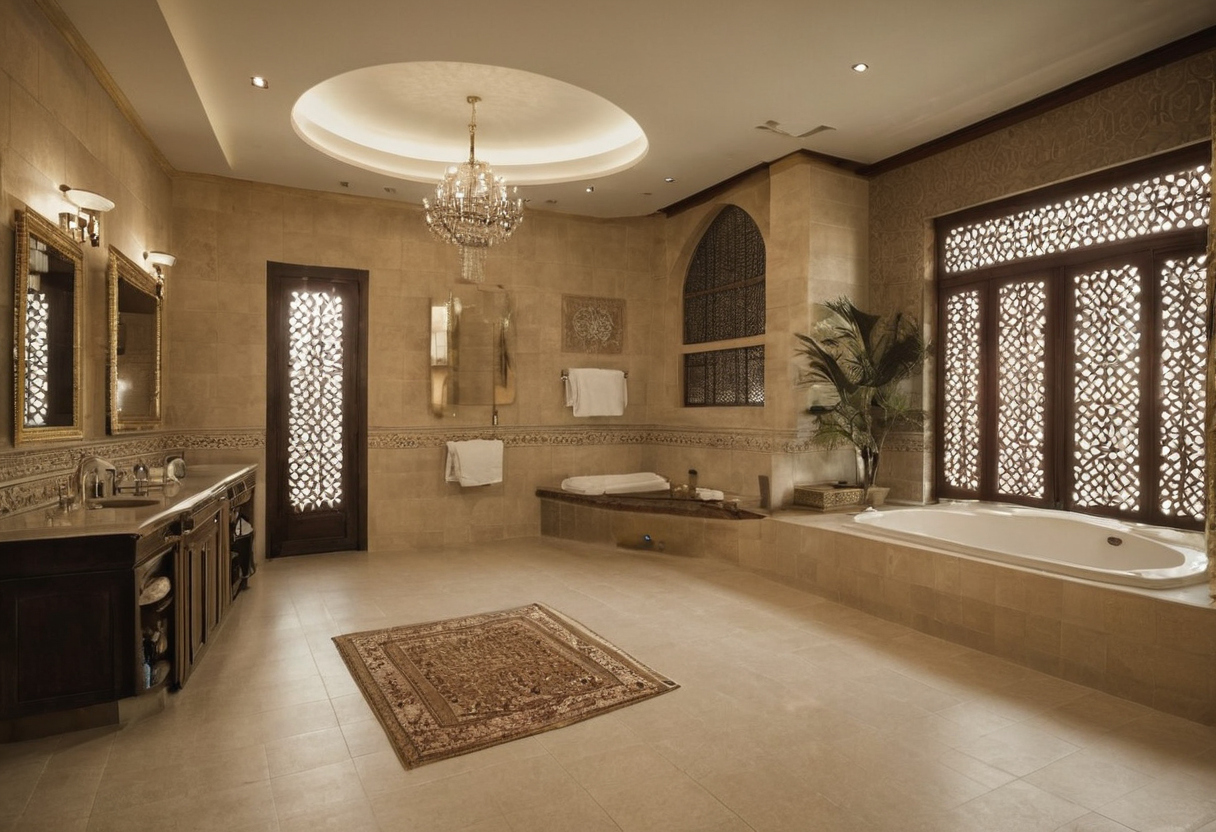
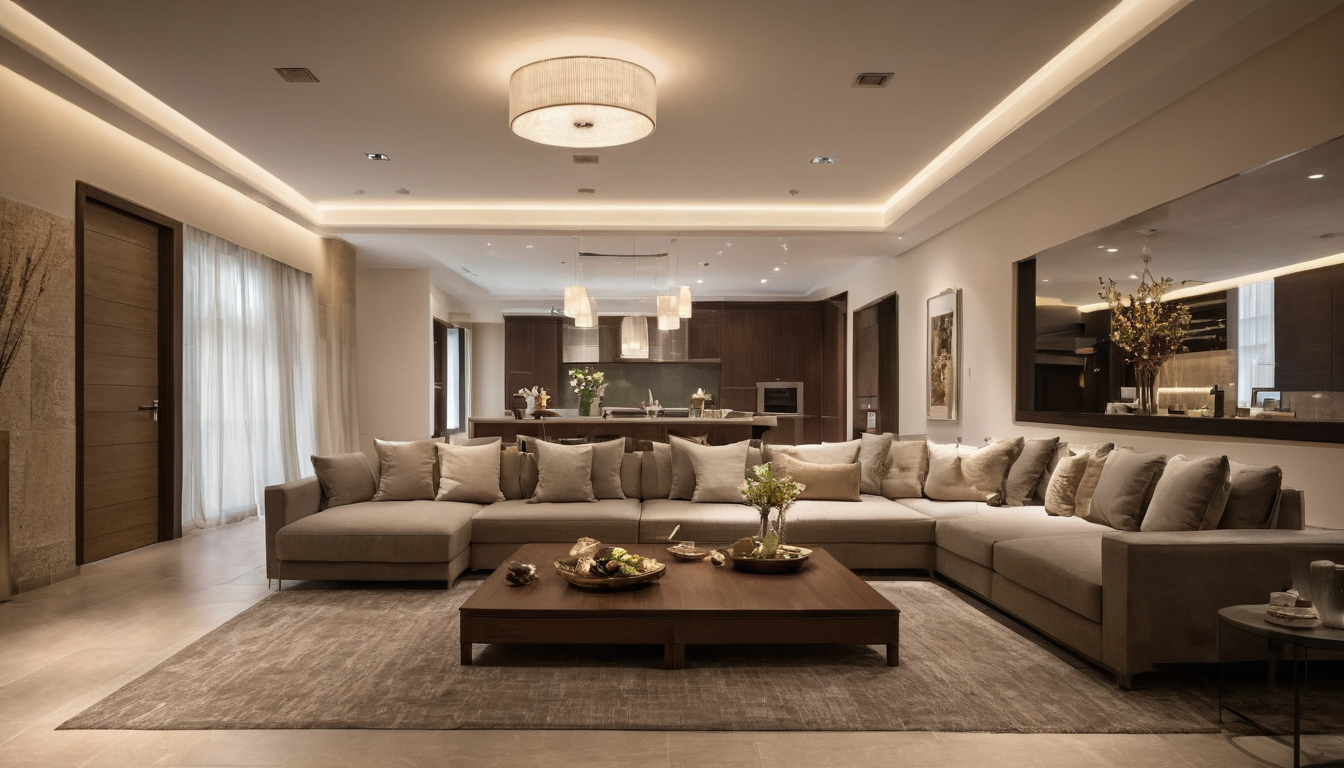
How should male guests, female guests, and family members move through a Riyadh villa shown as a planning reference for layout, scale, and material decisions.
Where do sightline breaks matter most in a Saudi villa design?
Sightline breaks matter at the front door, stair landing, family lounge opening, kitchen door, and bedroom corridor. Vestibules, turning corridors, screens, concealed doors, and layered curtains can hide private movement without making the house feel closed.
Which room adjacencies belong in a Saudi villa design brief before drawings begin?
Room adjacencies should be written before drawings because they drive door positions, acoustic separation, air-conditioning zones, plumbing stacks, and furniture layouts.
A Riyadh villa adjacency checklist should separate family life from formal hospitality
- Majlis: place near guest entry, guest washrooms, and guest dining; avoid direct views into family living, stairs, bedrooms, or kitchen work zones.
- Guest dining: connect to the majlis and service pantry, with a serving route that avoids family seating.
- Family living: keep near the main kitchen, children’s rooms, garden access, and family stairs; protect it from formal guest circulation.
- Bedrooms: group with dressing, bathrooms, linen storage, and quiet corridors; avoid majlis walls, guest toilets, and noisy service rooms where possible.
- Large luxury villa: separate women’s sitting, formal majlis, daily family living, and entertainment spaces. A compact villa may combine functions, but the brief should still name privacy doors and sightline breaks.
UNESCO lists Arabic coffee as a cultural element including Saudi Arabia, but each family should decide how much coffee service, display storage, and guest serving space they need.
Service routes need their own path from parking, kitchen, storage, and staff areas
- Kitchen route: link parking, grocery drop-off, storage, main kitchen, dirty kitchen, pantry, and guest dining service door.
- Staff route: connect staff room, laundry, cleaning storage, service stair, and outdoor utility area without crossing the majlis lobby.
- Driver and delivery route: keep driver room, gate access, waste holding, and maintenance access outside family privacy zones.
These adjacencies tell the MEP consultant where drainage, exhaust, cooling zones, access panels, and ceiling services must go.
Riyadh climate changes privacy and guest-flow decisions at doors, glazing, and lobbies
In Riyadh, privacy planning is also climate planning because entrances, glass, courtyards, and shaded thresholds affect cooling load and visibility. A good home design in Saudi Arabia brief states which spaces need daylight, screening, shaded arrival, and protection from heat and dust.
Entry lobbies should buffer heat, dust, and visual exposure in Riyadh villas
If the main door opens and a visitor can see the family lounge, kitchen, or upper stair, the lobby has failed the privacy brief. Offset corridors, vestibules, screens, and turning walls can solve privacy while reducing direct heat and dust entry.
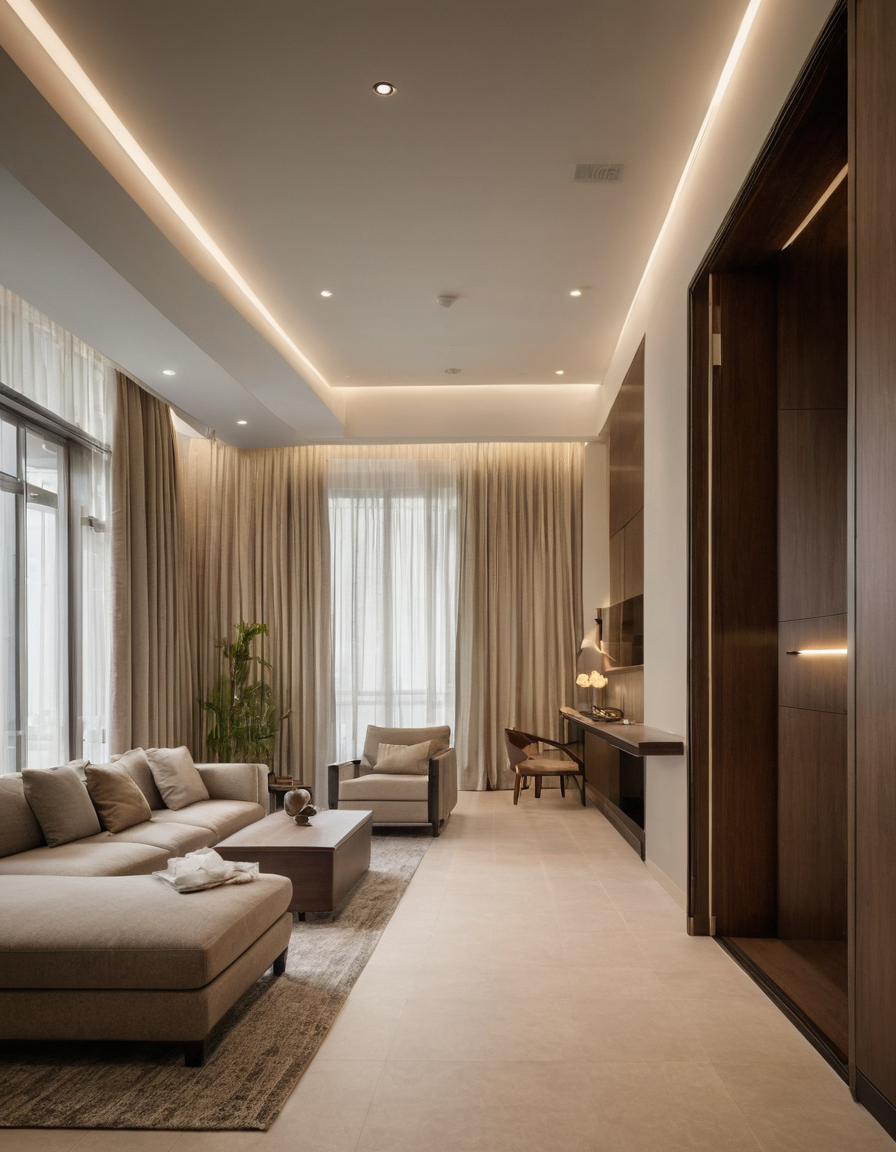
Riyadh climate changes privacy and guest-flow decisions at doors, glazing, and lobbies shown with finish, fixture, and clearance relationships visible.
Glazing, curtains, and screens should be briefed by exposure and privacy level
Street-facing majlis windows may need layered sheers and screens. Family lounges may need daylight with controlled views. Bedrooms need stronger night privacy, and stair halls need glare control.
West-facing glazing, tall entrance glass, and courtyard openings should be reviewed before ceiling design freezes. The U.S. Department of Energy notes that tightly installed cellular shades can reduce unwanted solar heat through windows during cooling seasons by up to 60%, where that product type suits the room and detailing.
Curtain pockets, motorized tracks, electrical points, AC grilles, access panels, and ceiling coves must be coordinated early. For a technical example, see this note on blackout lining, drapery stack, and track load. ASHRAE Standard 62.2 is a residential ventilation standard for acceptable indoor air quality in dwelling units, while Saudi code and the local MEP consultant govern the project. Cooling loads should also be engineered before false ceilings and room closures are fixed, with ACCA Manual J serving as a recognized residential load calculation procedure.
What should the homeowner give the interior designer, architect, MEP consultant, and fit-out contractor?
The privacy and flow brief must reach the architect, interior designer, MEP consultant, lighting designer, access-control supplier, and fit-out contractor. If each party reads circulation differently, the project risks misplaced doors, exposed sightlines, weak cooling performance, and costly site changes.
A responsibility matrix prevents privacy details from being lost between consultants
The homeowner should approve one responsibility matrix before concept design moves into detailed riyadh interior design drawings. The architect owns structure, openings, stairs, wet-area positions, and code coordination. The interior designer owns room use, sightlines, furniture planning, door swings, joinery, curtains, and finish transitions. The MEP consultant owns HVAC zoning, return air, plumbing routes, drainage, power, and ventilation. The lighting designer and smart-home supplier own scenes, sensors, dimming, access control, CCTV locations, and guest-mode settings.
MEP and fit-out coordination can make or break privacy and comfort
The technical brief should include room data sheets, an adjacency diagram, guest and family circulation diagrams, reflected ceiling assumptions, and an MEP brief. Before false ceilings, custom joinery, marble, lighting, curtains, and HVAC grilles are procured, the homeowner should ask for one coordinated review.
What brief checklist can a Riyadh villa owner approve before concept design?
A Riyadh villa owner can approve a one-page pre-design checklist before concept drawings if it captures household routines, guest categories, staff routes, room adjacencies, climate concerns, and decision owners.
The pre-design brief should answer these questions before plans are drawn
- Who uses each entrance: family, male guests, female guests, staff, driver, and deliveries?
- Which sitting areas are public, semi-public, family-only, or private?
- How does the majlis connect to guest dining, washrooms, coffee service, and outdoor arrival?
- Where should staff move without crossing family living or formal guest spaces?
- Which views must guests not see: stairs, bedroom corridors, kitchen work zones, or family lounge?
- Which rooms need stronger cooling, glare control, curtain pockets, access control, and acoustic separation?
- Who approves budget, finishes, MEP changes, procurement substitutions, and site variations?
Red flags show the Riyadh villa brief is not ready for interior design drawings
A brief needs revision if guest flow is vague, service access is missing, the majlis dining route crosses family zones, the stair is exposed from the entrance, HVAC review is late, or curtain pockets remain unspecified. Lighting should also be briefed early because ENERGY STAR states that qualified LED lighting uses at least 75 percent less energy and lasts up to 25 times longer than incandescent lighting, where qualified products apply. For a broader workflow, review planning an interior design remodeling project. Approve the zones, routes, adjacencies, and responsibility owners first, then let the drawings begin.